)
)
Our selection features 8 authentic Malaco sweets starting from 16 SEK, offering a comprehensive assortment of fruit, berry, and licorice flavors. This range highlights the brand’s long-standing Swedish heritage and manufacturing excellence, providing a variety of choices that have become milestones in the confectionery industry.
Malaco Candy Sweden
All Malaco products for sale

Fruity Drops Frukt & Lakrits
1pcs
10pcs

Colaflaskor
1pcs
10pcs

Fruity Drops Mix
1pcs
10pcs

Butterflies
1pcs
10pcs

Vattenmelon
1pcs
10pcs

Chewit Blue Raspberry
1pcs
10pcs

Chewit Strawberry
1pcs
10pcs

Normal
Malaco Lollipops Mix
1pcs
10pcs

Normal
Gott & Blandat Juicy Giants
1pcs
10pcs

Normal
Gott & Blandat Fruity Bites
1pcs
10pcs

Normal
Malaco Sweet Foamy Monkey
1pcs
10pcs

Normal
Malaco Sour Foamy Monkey
1pcs
10pcs


Malaco Fizzypop
1pcs


20 of 20 products viewed
The Origin of the Swedish Fish and the Lingonberry Mystery
The global phenomenon known as “Swedish Fish” traces its roots back to the 1950s in Malmö, Sweden. Originally produced by Malaco (an acronym for Malmö Lakrits Compani), these starch-based gummies were branded as Pastellfiskar (Pastel Fish) to honor Sweden’s thriving fishing industry. While the red fish is a staple in candy bowls from Stockholm to New York, its exact flavor remains a subject of delicious debate. Most confectionery historians and fans agree that the unique, floral sweetness is modeled after the lingonberry, a tart red berry found throughout Swedish forests. Today, Malaco, now a flagship brand under Cloetta, continues to produce these iconic treats. For those following a plant-based diet, Djungelvrål and the updated recipe for Gott & Blandat Original are verified vegan, though many fish varieties still utilize traditional starches and glazes.
From Gott & Blandat to Djungelvrål: A Masterclass in Texture
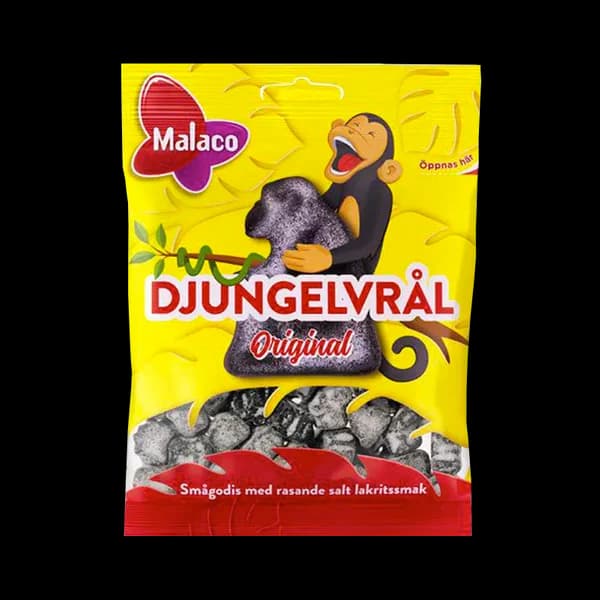
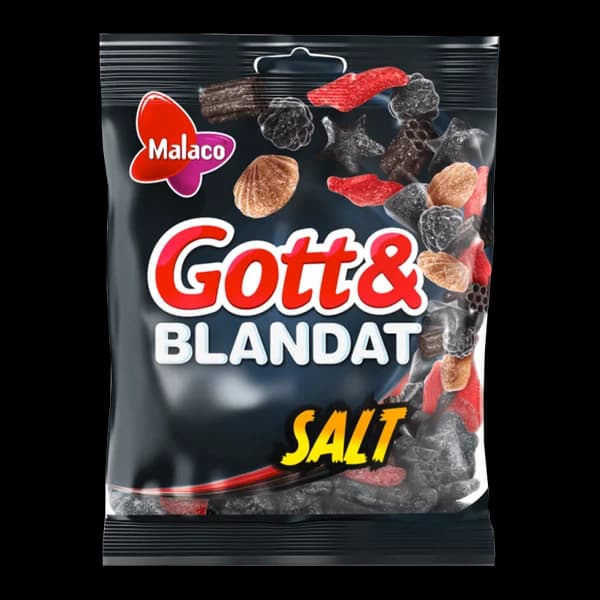
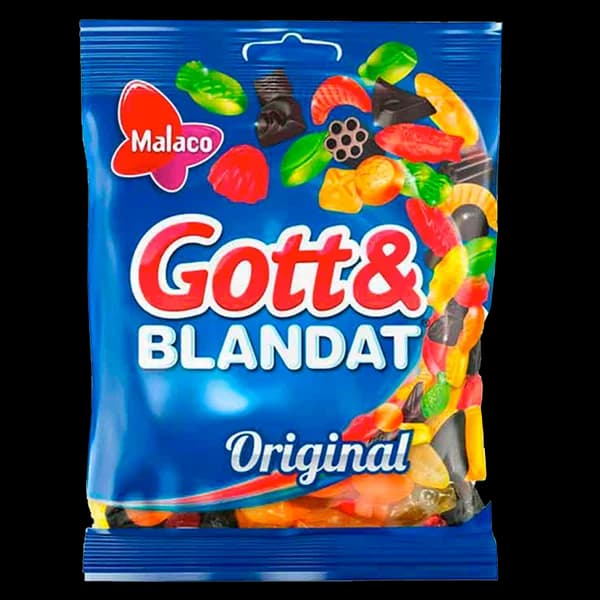
Malaco has spent nearly a century perfecting the “sweet-salty-sour” trifecta that defines the Swedish palate. Their portfolio is a masterclass in texture, ranging from the firm, wine-gum chew of Gott & Blandat to the legendary toughness of Djungelvrål. Launched in 1979, Gott & Blandat revolutionized the market by mixing sweet fruit gummies with salty licorice in a single bag. For the truly brave, Djungelvrål (Jungle Scream) offers an intense experience; these super-salty licorice monkeys are coated in salmiak salt (ammonium chloride), providing a sharp, mineral sting that softens into a chewy, sweet core. Unlike the soft foam of Ahlgrens Bilar (often associated with the same parent company, Cloetta), Malaco products often lean into a denser, more satisfying bite. Note that while many items use natural colors like black carrot and spirulina, products like Djungelvrål often contain wheat flour and are not gluten-free.
The Saturday Candy Tradition: Why Malaco Defines Lördagsgodis
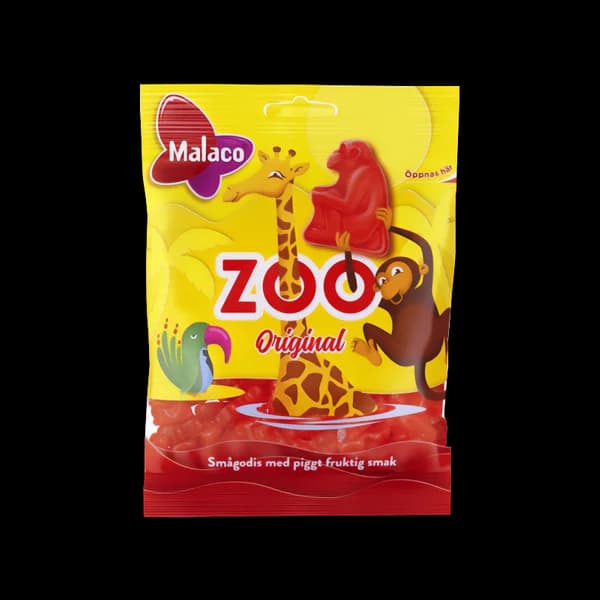
In Sweden, the concept of Lördagsgodis (Saturday Candy) is a cultural institution. This tradition, which encourages children and adults alike to enjoy sweets only once a week, has been championed by Malaco for decades. Their famous slogan, “Lördag hela veckan” (Saturday all week), captures the joy that a bag of Zoo or Fruxo brings to a Swedish household. Whether it is the pocket-sized boxes found at the checkout or the expansive pick-and-mix bins shared with brands like Bubs and Toms, Malaco is the backbone of the weekend ritual. With prices typically ranging from 20 to 35 SEK per bag, they remain an accessible luxury. By adhering to high safety standards like ISO 22000 and using RSPO-certified sustainable palm oil, Malaco ensures that the Swedish tradition of Saturday treats remains a high-quality experience for every generation.
Malaco FAQ
Malaco is one of Sweden’s oldest confectionery brands, founded in 1934 by the Danish company A/S Lagerman junior. The name is actually an acronym derived from the original company name, Malmö Lakrits Compani. While the brand was originally headquartered and manufactured at Lundavägen in Malmö, it is now owned by Cloetta. Today, Malaco remains a central part of the Swedish "Lördagsgodis" tradition, offering iconic treats that have been enjoyed for generations.
Malaco has updated several classic recipes to accommodate vegan lifestyles. Notably, Gott & Blandat Original was updated in 2022 to remove gelatin and beeswax, making it vegan-friendly. The super-salty Djungelvrål is also gelatin-free and vegan. Many items in the Tutti Frutti line are also plant-based. Customers should look for the specific "Vegan" symbol on the packaging, as some specialty mixes or foam-based candies may still contain animal-derived ingredients like gelatin.
Most Malaco products, including favorites like Gott & Blandat and Djungelvrål, are not considered gluten-free. These recipes frequently use wheat flour or wheat starch to achieve their signature chewy texture. While Malaco adheres to strict food safety standards like ISO 22000, customers with gluten sensitivities should always read the ingredient list carefully. Unless a specific bag is explicitly labeled as gluten-free, it likely contains wheat-based ingredients common in Swedish licorice production.
Known in Sweden as Pastellfiskar, these iconic candies were developed by Malaco in the 1950s specifically for export to the North American market. They were designed to represent Sweden’s thriving fishing industry. While they are a global success today, they remain a staple in Swedish candy aisles. The original red fish flavor is widely considered to be lingonberry, a classic Nordic berry, providing a unique taste profile that differs from standard cherry or strawberry gummies.
In the Swedish market, Malaco products are priced competitively for the weekly "Lördagsgodis" tradition. A standard 160g to 210g bag of Gott & Blandat or Djungelvrål typically costs between 20 SEK and 35 SEK, depending on local grocery store promotions. For those preferring pick-and-mix (lösviktsgodis), Malaco classics are usually available at a hectogram (hg) price ranging from 10 SEK to 15 SEK, making it an affordable treat for the whole family.